Crystal Coast of North Carolina Mesh Network
Meshtastic® is a project that enables you to use inexpensive LoRa radios as a long range off-grid communication platform in areas without existing or reliable communications infrastructure. This project is 100% community driven and open source!
Meshtastic is an open-source project that uses small, low-cost LoRa radios to create a decentralized, off-grid communication network. It lets you send short text messages and share GPS locations without any cell service or internet. Messages hop directly from device to device over long-range radio, so you can stay in touch during outdoor adventures, emergencies, or anywhere regular networks don't reach.
Think of it as your own private walkie-talkie text network - free to use once you have the devices, and supported by a friendly community of users and developers worldwide.
Meshtastic devices form a mesh network, meaning each device (or "node") can talk to other nearby nodes and can pass messages along for others. Unlike cell phones that rely on towers, a mesh has no central infrastructure - every node is both a sender and a relay.
If you send a message and the recipient is out of your direct radio range, intermediate Meshtastic nodes will automatically forward the message until it reaches its destination. Meshtastic uses a "managed flooding" approach to routing: when a node receives a new message, it rebroadcasts it unless it has already seen that message before. Each message only gets forwarded a limited number of times (a hop limit), so the network doesn't get stuck in an endless loop.
The magic behind Meshtastic's range is LoRa ("Long Range") radio. LoRa is a low-power wireless protocol that operates on license-free radio bands (915 MHz in the US or 868 MHz in Europe). These radios can send data for several kilometers - often 2-5 km in typical conditions, and much farther (tens of kilometers) with line-of-sight and good antennas.
LoRa's data rate is very low compared to Wi-Fi or cellular, so Meshtastic is limited to text messages and GPS locations (no photos or big files), and messages have a maximum length of around 200+ characters. This is plenty for short communications like "I'm at the campsite" or emergency signals.
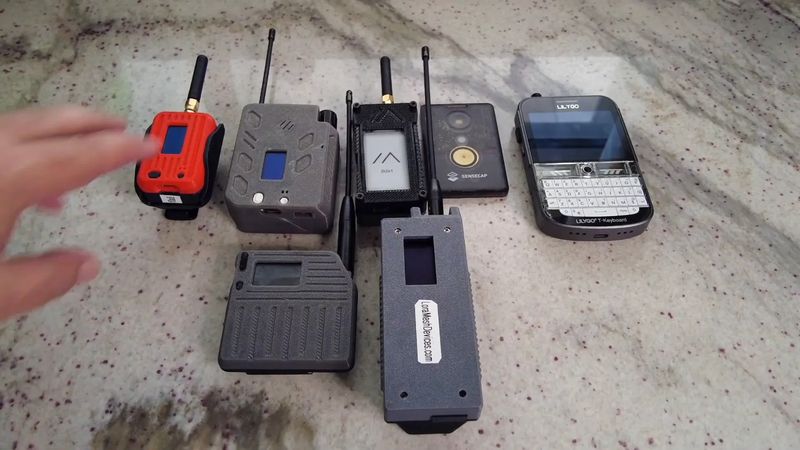
One of the great things about Meshtastic is that it runs on affordable, off-the-shelf hardware. Most Meshtastic nodes use an ESP32 or similar microcontroller paired with a LoRa radio module, plus optionally a GPS receiver. Popular choices include:
These boards typically cost $30-$50, making it practical to get a few for your group.
Using Meshtastic is designed to be beginner-friendly. There's a free official Meshtastic companion app for Android and iOS that pairs with your device via Bluetooth or Wi-Fi. Once connected, the app provides a chat interface very similar to a messaging app.
The mobile app also shows a map with GPS locations of your team - super useful for hiking or search & rescue, as you can see where all your Meshtastic-equipped friends are on a map.
Meshtastic supports encryption so your messages aren't readable by others outside your group. You can set your own channel name and encryption key to create a private network. The communications use strong AES encryption.
When disasters strike and cell towers go down, Meshtastic serves as a backup network for first responders and communities.
Hikers, campers, and skiers can stay in contact over many kilometers of terrain where there's no cell service.
At festivals or large gatherings where cellular networks are overloaded, Meshtastic provides reliable local communication.
Neighbors on distant farms can install nodes to create a local messaging network spanning their area.
Your everyday pocket companion hardware—like the LILYGO T-Echo or T1000-E—paired via Bluetooth. These modules handle messaging, receive local mapping coordinates, and transmit user text strings directly out into the immediate over-the-air workspace. Set to the standard Client-Mute role, acting as the end user.
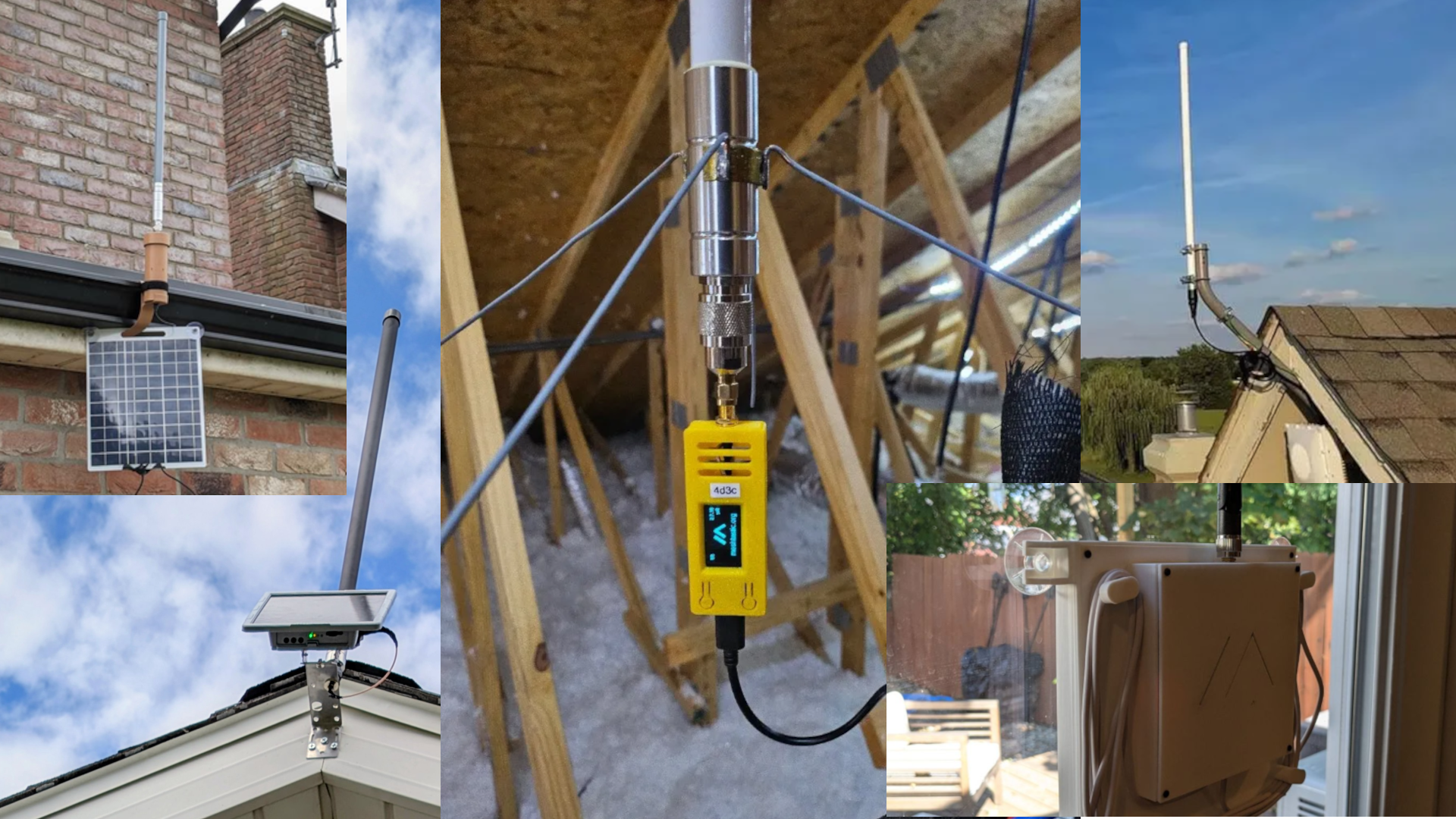
Click for more infoStandard client-configured devices placed in high-utility clear points like a second-floor window, attic space, or standard roof ridge. Set to the standard Client role, they participate fully in calculated flood-routing steps to extend range across local residential areas.
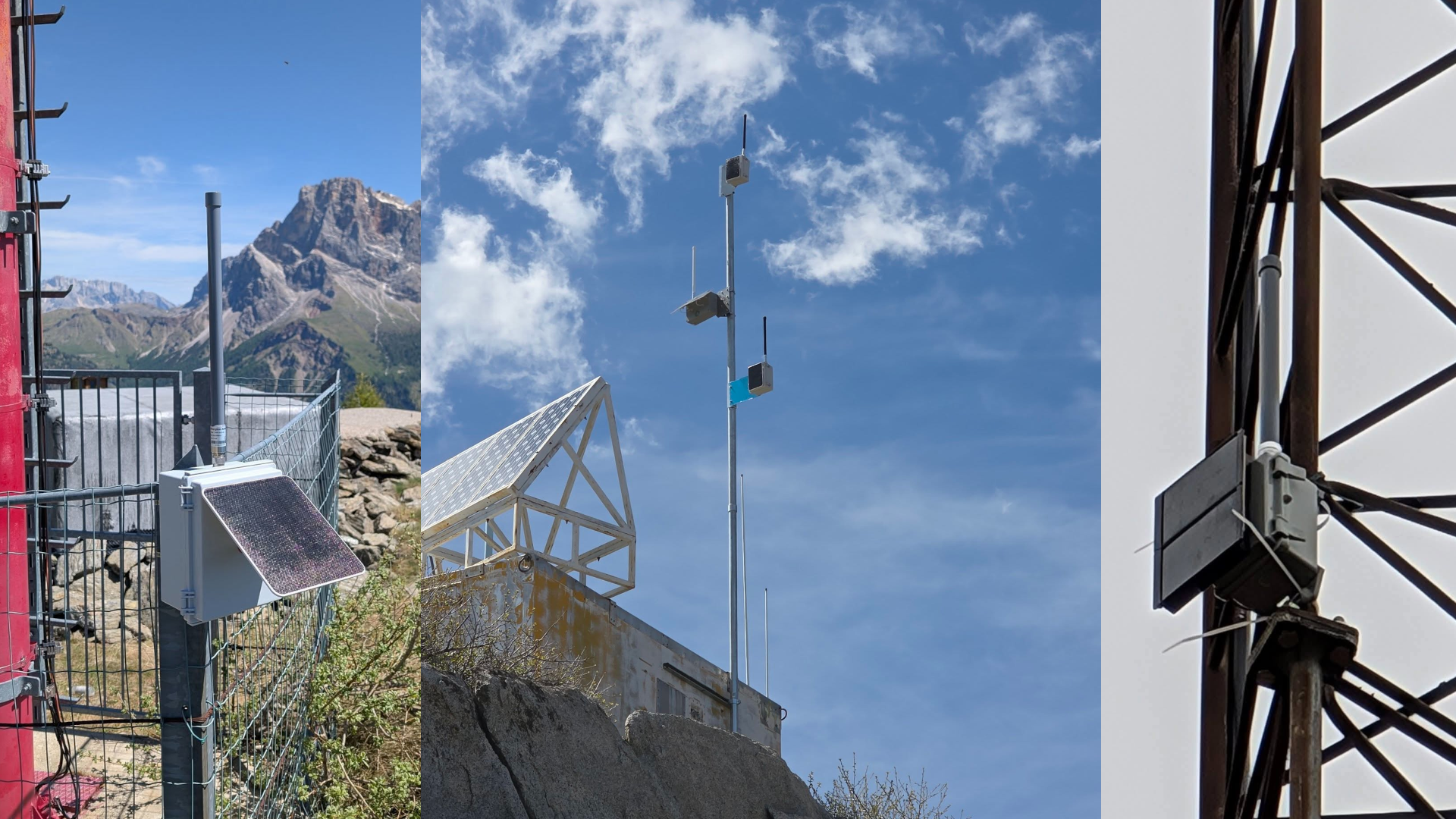
Click for more infoReserved for premium hardware packages for linking separate meshes that are deployed on structural tower masts, mountain peaks, or tall commercial roofs (not for normal home or localized installations). Configured with specialized Router roles, these units alter the transmission timing matrix to ensure they aggressively relay long-range data packages first.
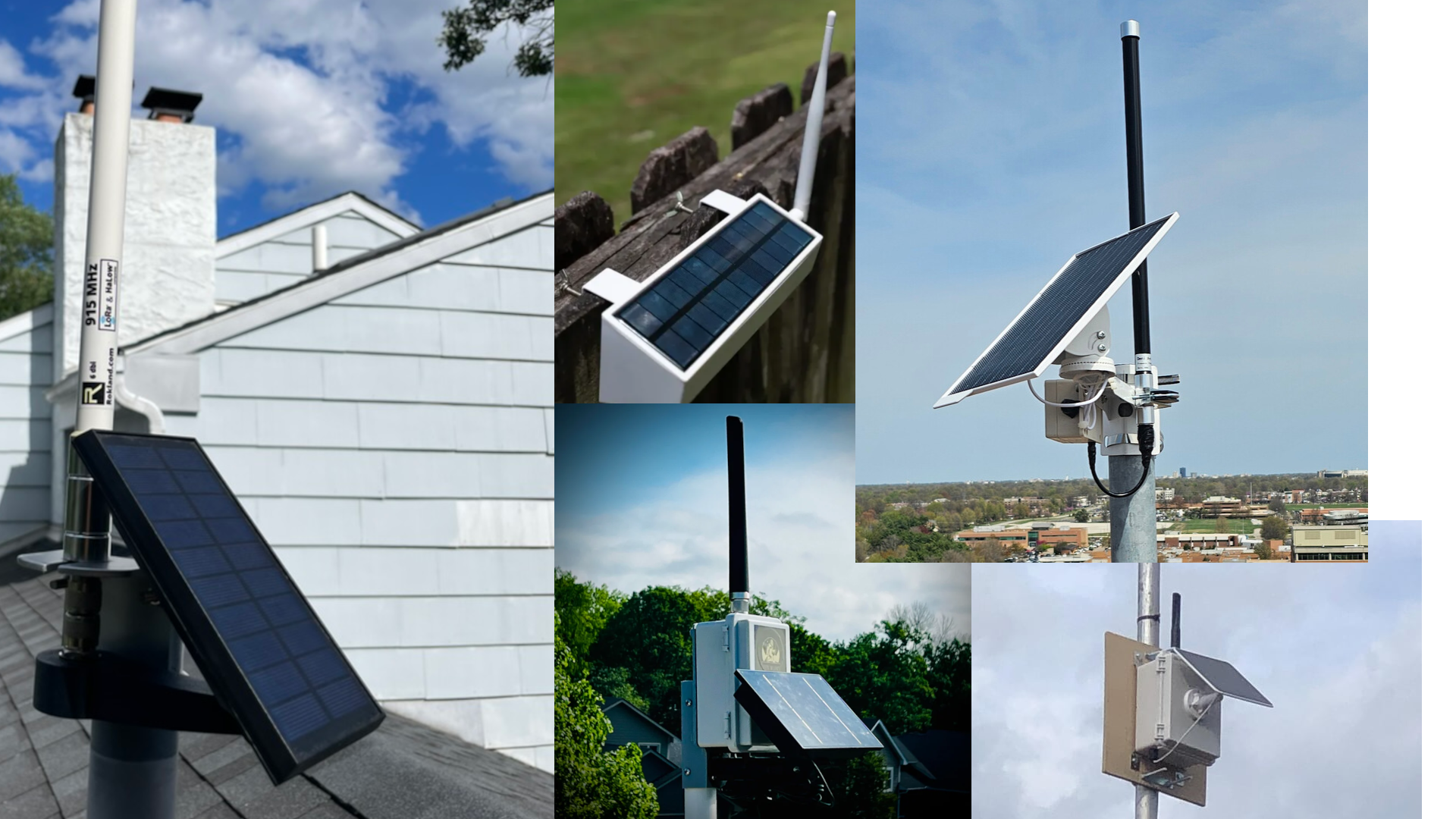
Click for more infoRuggedized, weatherproof outdoor boxes combining low-power components (like RAK WisBlock or Seeed Studios XIAO or Heltec modules) with LiFePO4 Batteries and solar panels. These modules sit completely independent of the conventional electrical power to preserve or extend the mesh where conventional power is unavailable, such as on a roof or tower or beach or island or mountain top or remote field or any other off-grid location, ensuring continuous network coverage and reliability.
Click for more infoTrack reported public coordinator nodes, telemetry signals, and active baseline line-of-sight tracking data vectors.